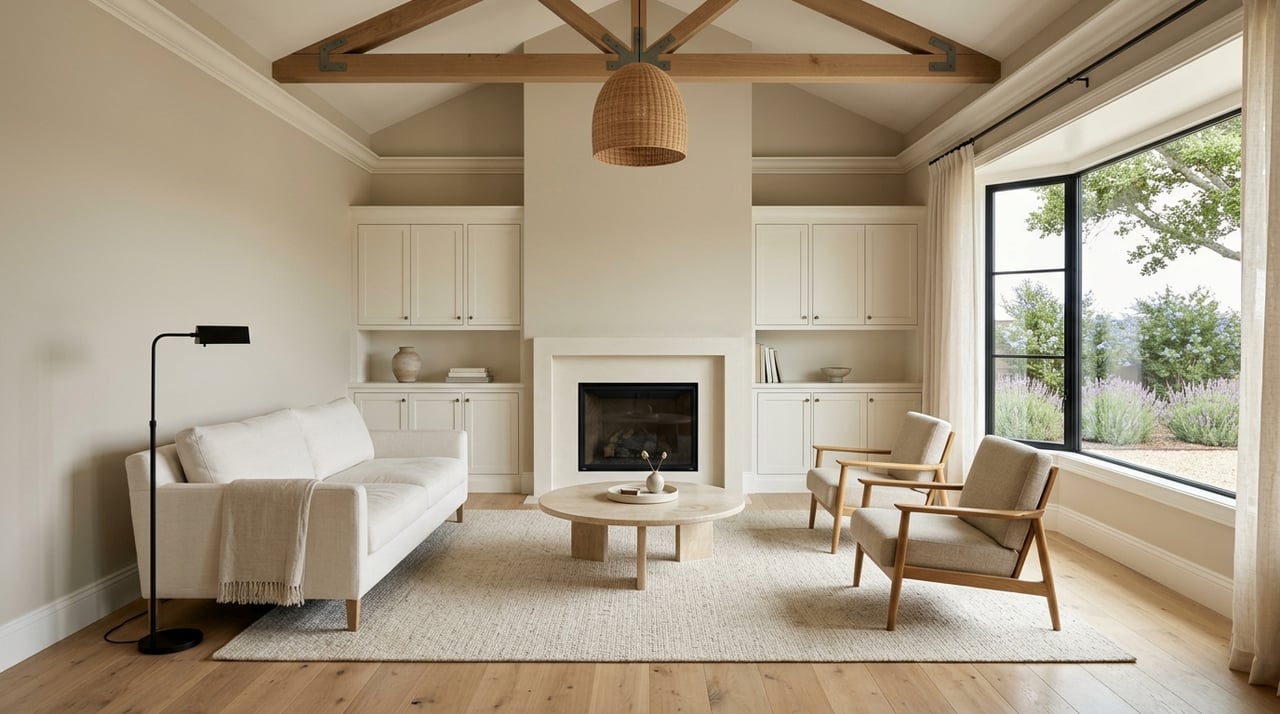
If you want buyers to feel an instant connection to your Marin home, staging is one of the smartest places to start. In a market as competitive and high-value as Marin County, polished presentation can help your home stand out without requiring a major renovation. This room-by-room staging checklist will help you focus on the updates that matter most, avoid overspending, and prepare your home for both in-person showings and listing photos. Let’s dive in.
Why staging matters in Marin
Marin County is one of the most expensive housing markets in the country, and more than 80% of homes are single-family detached properties. In that kind of market, buyers often expect a home to feel well cared for, clean, and move-in ready.
The good news is that staging does not have to mean a full redesign. According to the 2025 NAR Profile of Home Staging, 49% of sellers’ agents said staging reduced time on market, and 29% saw a 1% to 10% increase in the dollar value offered. NAR also found that 83% of buyers’ agents said staging helped buyers picture the home as their future home.
For most Marin sellers, that means your first priorities should be simple, high-impact steps: decluttering, deep cleaning, improving curb appeal, and making your home look camera-ready.
Start with the highest-impact tasks
Before you go room by room, tackle the basics first. NAR reports that the most common seller recommendations were decluttering, cleaning the entire home, and improving curb appeal.
Use this order to keep the process manageable:
- Declutter and deep clean
- Refresh curb appeal and entry
- Stage the rooms buyers care about most
- Simplify secondary spaces
- Clean up decks, patios, and the yard
- Address wildfire-safe presentation near the home
If you have lived in your home for years, this matters even more. NAR notes that the typical seller has lived in their home for 10 years before selling, which often means personal items and minor wear can blend into the background for you but stand out to buyers.
Entry and front exterior checklist
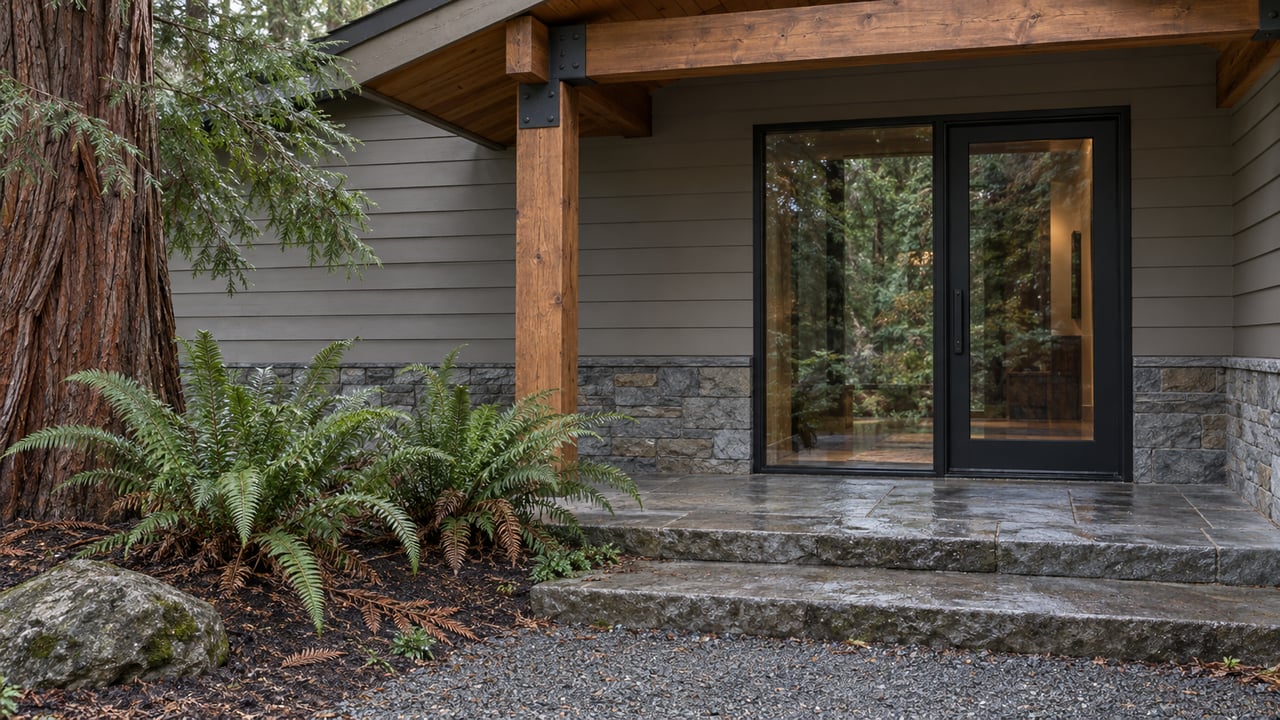
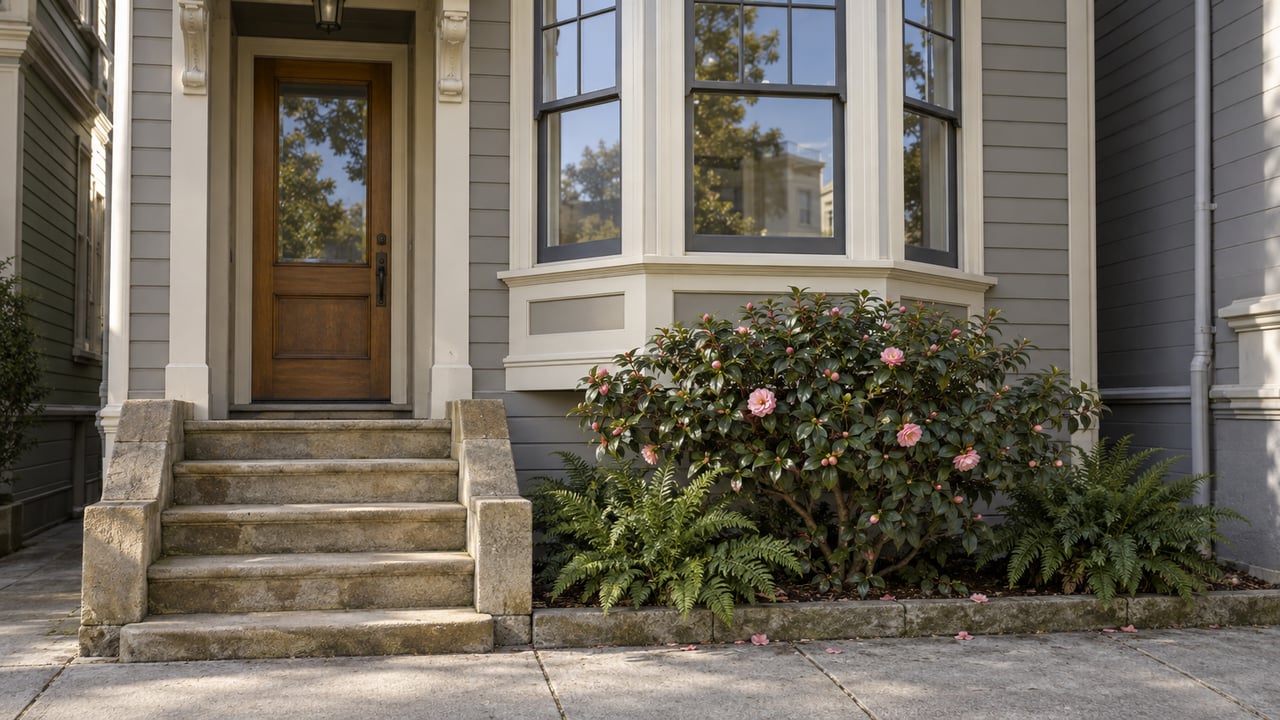
Your front entry sets the tone before buyers ever step inside. It also shows up in your first listing photo, so it should feel intentional, clean, and welcoming.
What to do at the front entry
- Clean the front door thoroughly
- Replace or straighten the welcome mat
- Make sure porch lights are clean and working
- Remove extra decor and keep styling minimal
- Sweep walkways and clear leaves or debris
- Store shoes, tools, and delivery clutter out of sight
A tidy, edited entry supports curb appeal and creates a stronger first impression. In Marin, where many homes have beautiful natural surroundings, a clean front approach helps buyers focus on the home itself.
Living room checklist
The living room deserves extra attention because it ranks as the most important room to buyers in NAR’s staging data. It is also one of the most commonly staged rooms because it shapes how spacious and comfortable the home feels.
What to do in the living room
- Remove excess furniture to open up traffic flow
- Keep only a few simple accessories on tables and shelves
- Pack away personal photos and highly specific decor
- Edit bookshelves so they look neat, not crowded
- Open window coverings to maximize natural light
- Add fresh pillows or a neutral throw if needed
- Hide cords, remotes, and small electronics before photos
Your goal is not to make the room feel empty. Your goal is to make it feel easy to understand. Buyers should be able to walk through the space comfortably and imagine how they would use it.
Primary bedroom checklist
The primary bedroom is another top-priority space for buyers. It should feel calm, restful, and spacious.
What to do in the primary bedroom
- Use simple, coordinated bedding in neutral tones
- Clear off dressers and nightstands
- Remove most personal items from visible surfaces
- Keep closets organized and only partly full
- Minimize extra chairs, benches, or decor if the room feels tight
- Make the bed neatly every time before a showing
This room should read as a retreat, not a storage area. A simple setup usually works better than trying to add too many decorative touches.
Kitchen checklist
The kitchen is one of the most important rooms in a sale, and buyers tend to notice clutter here quickly. Even a nice kitchen can feel smaller if counters are crowded or cabinets look overstuffed.
What to do in the kitchen
- Clear countertops except for one or two simple items
- Put away small appliances you do not use daily
- Deep-clean sinks, faucets, backsplash, and cabinet fronts
- Remove magnets, notes, and papers from the refrigerator
- Organize open shelving so it looks intentional
- Empty trash and recycling before every showing
- Make sure all lighting is working and bright
A clean, quiet kitchen photographs better and helps buyers focus on the space, storage, and function instead of daily-life clutter.
Dining room checklist
The dining room does not need elaborate styling, but it should feel open and usable. NAR reports that it is one of the most commonly staged rooms, which makes sense because it helps buyers read the layout clearly.
What to do in the dining room
- Center the table and make sure chairs fit comfortably around it
- Remove extra leaves if the table is too large for the room
- Keep the tabletop mostly clear
- Use one simple centerpiece if you want a finishing touch
- Clean light fixtures and make sure bulbs match in color and brightness
If your dining area is part of a larger open space, staging it clearly helps buyers understand how the full area functions.
Secondary bedrooms and flex spaces
Secondary bedrooms do not usually need the same level of styling as the main living areas. The key is to keep them simple and give each room a clear purpose.
What to do in secondary rooms
- Remove clutter from floors, desks, and dressers
- Keep bedding simple and neutral
- Avoid highly themed decor
- Use minimal furniture so the room feels larger
- Show one clear function, such as bedroom, office, or guest room
If a room currently serves multiple purposes, simplify it before listing. Buyers respond better when they can quickly understand how a space can be used.
Bathroom checklist
Bathrooms should feel bright, fresh, and very clean. This is one of the easiest places for buyers to notice skipped details.
What to do in bathrooms
- Clear countertops as much as possible
- Put away everyday toiletries and personal items
- Use fresh white or neutral towels
- Clean mirrors, tile, grout, and fixtures thoroughly
- Replace worn bath mats or shower curtains if needed
- Keep toilet lids closed for photos and showings
A clean bathroom sends a strong signal that the home has been cared for. Even small improvements here can make the whole house feel more polished.
Laundry room and garage checklist
Utility spaces matter more than many sellers expect. Buyers want to see that storage, function, and upkeep are under control.
What to do in laundry and garage areas
- Store detergents and supplies neatly
- Clear floors as much as possible
- Organize shelves and cabinets
- Remove bulky or unused items
- Sweep and clean visible surfaces
- Keep the area around doors and garage openings free of clutter and flammable storage
That last point is especially relevant in Marin. CAL FIRE’s home hardening guidance notes that doors, garage openings, and nearby combustible storage can increase ignition risk from embers.
Deck, patio, and garden checklist
Outdoor spaces deserve real attention in Marin. Buyers often place a high value on decks, patios, gardens, and the connection between indoor and outdoor living.
What to do in outdoor living areas
- Sweep decks, patios, and paths
- Remove dead leaves, pine needles, and built-up debris
- Edit outdoor furniture so seating areas feel open and usable
- Remove broken planters or worn accessories
- Trim overgrown plants away from walkways and structures
- Keep garden areas tidy and easy to maintain visually
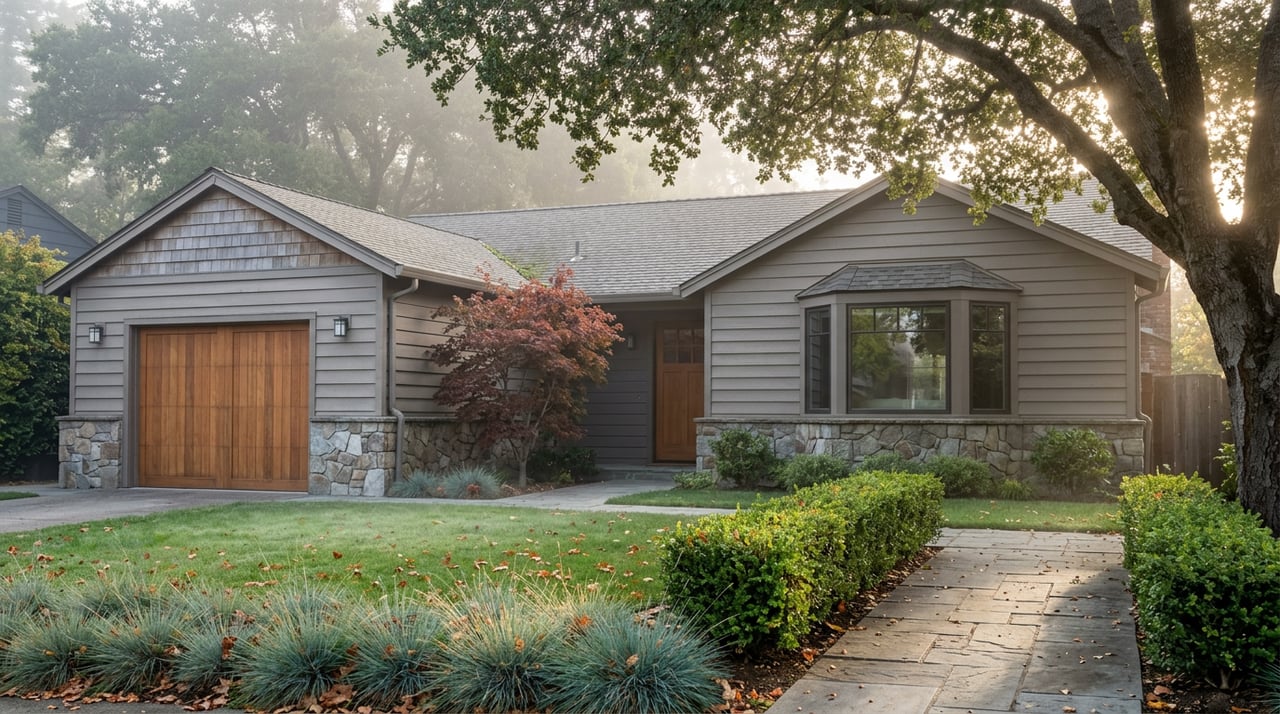
Presentation and safety should go together here. CAL FIRE warns that decks can ignite from embers or flames, and Marin fire guidance also highlights hazards like combustible mulch, overgrown vegetation under decks, and wood fences attached to homes.
Zone 0 and wildfire-safe curb appeal
In many parts of Marin, outdoor preparation is not just about appearance. It is also about wildfire resilience.
Central Marin Fire says defensible space is required by law in Marin WUI areas and must be maintained at all times. It defines Zone 0 as the area 0 to 5 feet around the home, where combustible vegetation, combustible mulch, and combustible furniture or decor should be removed or replaced with noncombustible alternatives.
What to do in Zone 0
- Remove dry leaves and plant debris near the home
- Clear combustible mulch in the first 5 feet where applicable
- Move combustible furniture or decor away from the house
- Keep under-deck areas clear of vegetation and storage
- Check for flammable materials near doors and garage openings
This does not mean your landscape has to look harsh or unfinished. Central Marin Fire also notes that defensible space does not mean bare dirt. You can still create a polished, attractive yard while making it safer and easier for buyers to appreciate.
Where to spend and where to save
If you are deciding whether to hire professional help, start with the basics that usually deliver the biggest visual return. Decluttering, cleaning, lighting, and furniture editing often make a major difference.
NAR reports that the median cost for a professional staging service was $1,500, compared with $500 when the seller’s agent handled staging themselves. That is why many sellers benefit from a strategy that starts with low-cost, reversible updates first, then adds professional staging only where it will have the most impact.
Make your home photo-ready too
Today, staging is not only for open houses and private showings. It also needs to work on screen.
NAR found that buyers’ agents consider photos, physical staging, videos, and virtual tours important. That means every room should look clean, bright, and uncluttered in still images as well as in person. If an item will distract in a photo, it is usually worth removing before the listing goes live.
A thoughtful staging plan helps your home feel more spacious, more cared for, and easier for buyers to picture as their own. If you are preparing to sell in Marin County and want a clear, tailored plan for presentation, pricing, and marketing, Aviva Kamler can help you create a strategy that fits your home and your goals.
FAQs
What rooms should sellers stage first in a Marin County home?
- Start with the living room, primary bedroom, kitchen, and dining room, since NAR reports these are among the most important spaces to buyers.
What is the most important first step before staging a Marin home?
- Decluttering and deep cleaning should come first, because they are the most common seller recommendations in NAR’s staging report and improve both photos and showings.
How much does home staging usually cost for sellers?
- According to NAR, the median cost was $1,500 for a professional staging service and $500 when the seller’s agent handled staging themselves.
How should Marin sellers stage outdoor spaces?
- Focus on clean, usable outdoor living areas by removing debris, editing furniture, trimming overgrowth, and keeping decks, patios, and paths tidy.
What is Zone 0 for Marin County sellers?
- Zone 0 is the 0 to 5 foot area around the home where Central Marin Fire recommends removing or replacing combustible vegetation, mulch, furniture, and decor with safer alternatives.
Does staging really help homes sell faster?
- Yes. NAR reports that 49% of sellers’ agents said staging reduced time on market, and many also saw stronger offers.