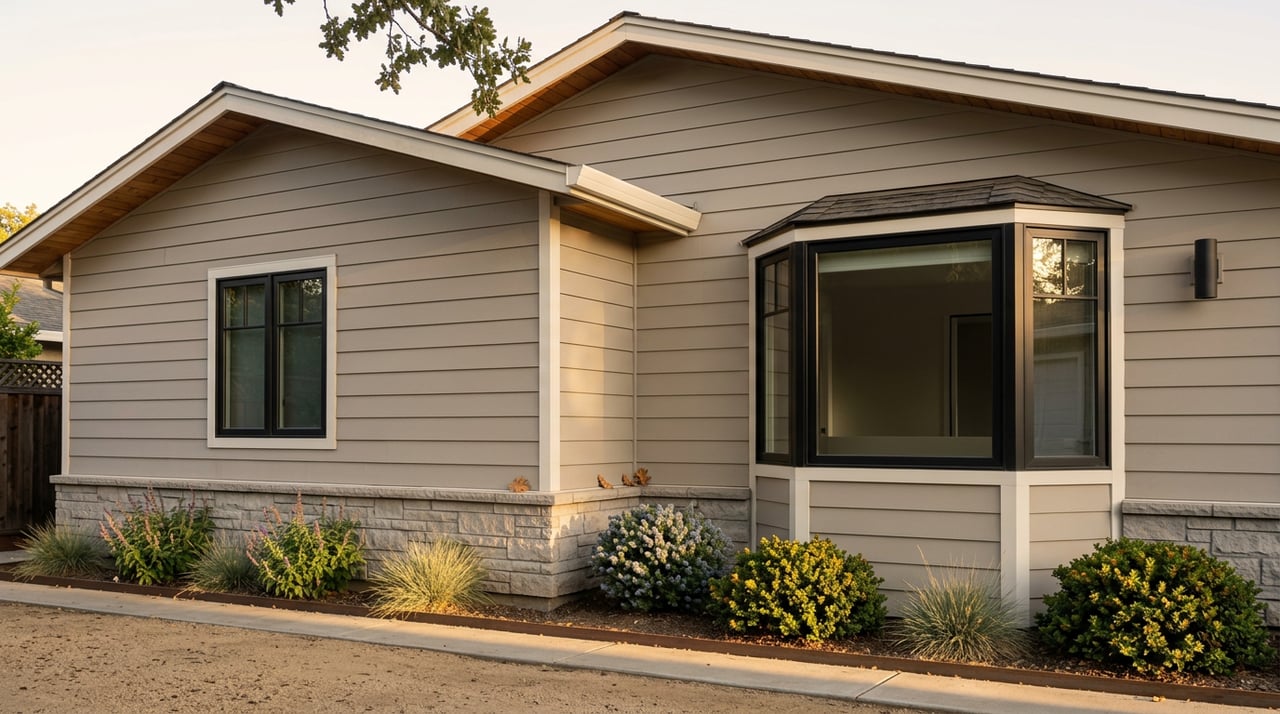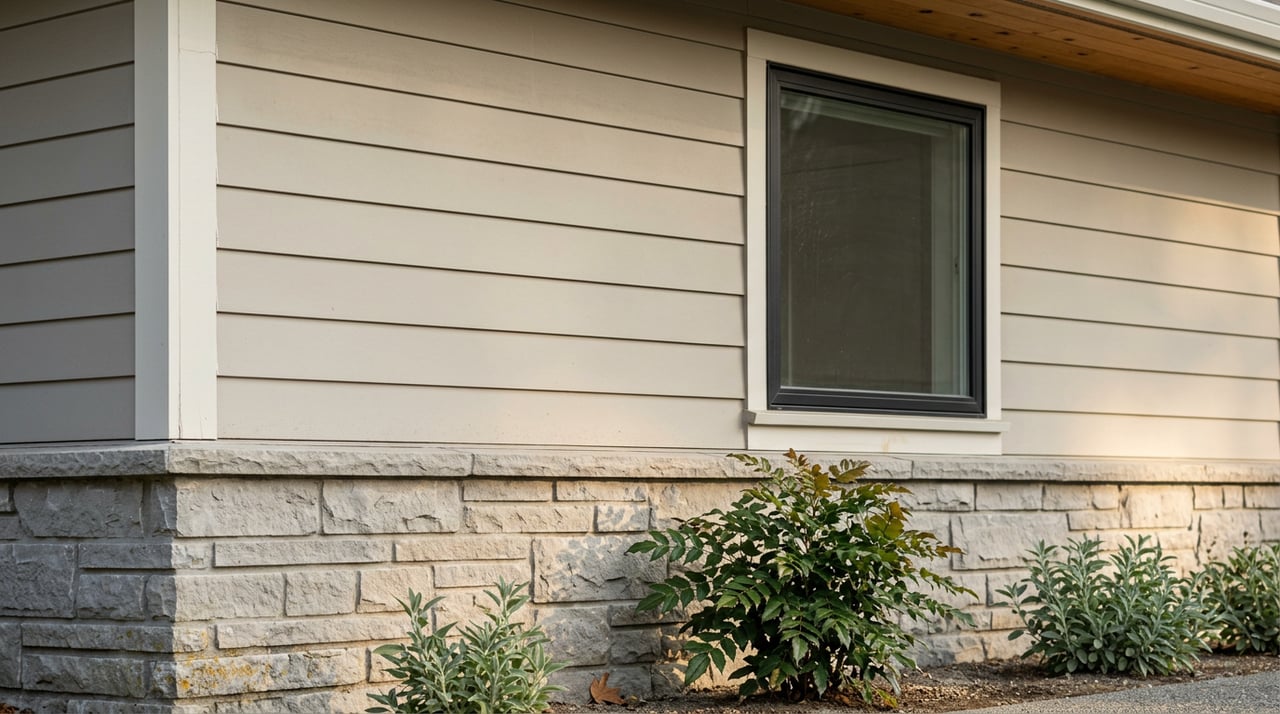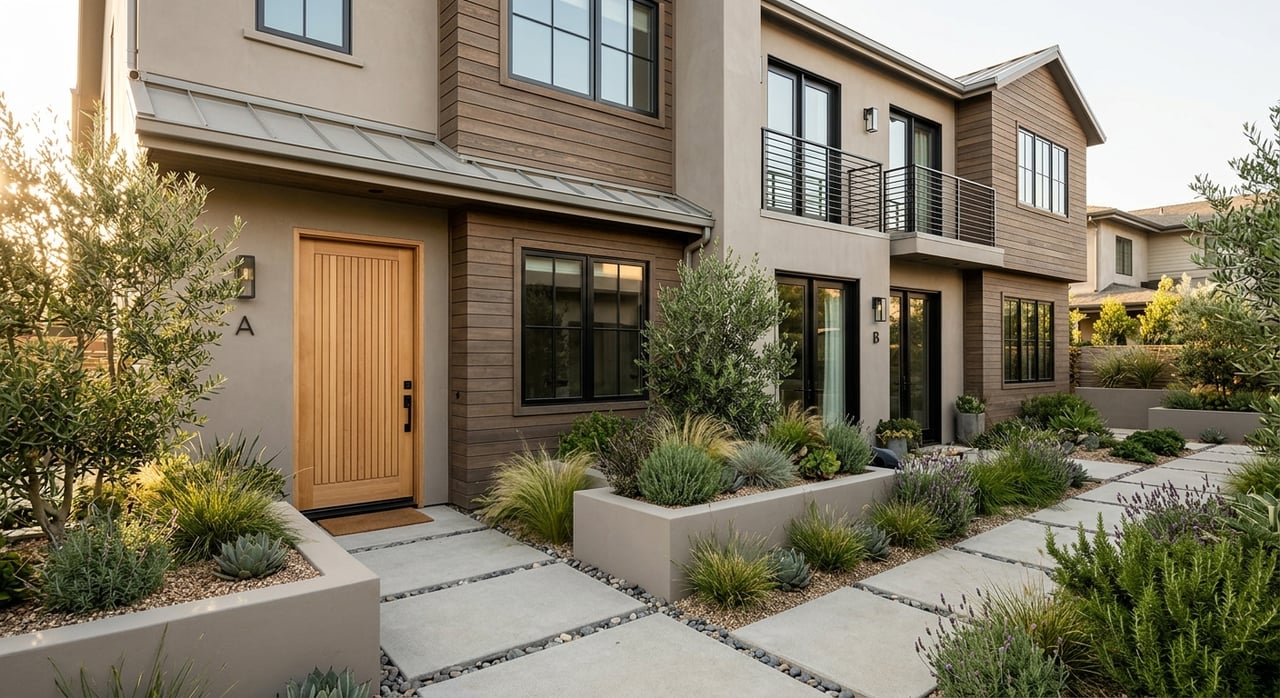
If Marin County feels just out of reach, you are not alone. In a market where the median March 2026 sale price across all home types was $1,505,000, many buyers start looking at condos and townhomes as a more practical way to own in the county. The good news is that attached homes can offer a lower entry point, less exterior upkeep, and access to the Marin lifestyle many buyers want. Let’s dive in.
Why attached homes matter in Marin
Marin is an expensive, mostly owner-occupied market. The county’s 2025 economic report shows a median household income of $157,840 and an owner-occupancy rate of 62.84%, which helps explain why many buyers are weighing cost, convenience, and long-term value very carefully.
That makes condos and townhomes especially important. Current Marin listings show about 116 condos at a median list price of $649,000 and 37 townhomes at a median list price of $850,000. Compared with the countywide pricing for all home types, those numbers show why attached housing is often the starting point for buyers who want to stay in Marin.
For many people, this is not just about buying the least expensive option. It is about finding the right fit between purchase price, monthly costs, maintenance responsibilities, and location.
Where you will find condos and townhomes
Marin’s condo and townhome inventory is spread across Novato, San Rafael, Greenbrae, Corte Madera, Sausalito, Tiburon, Fairfax, Mill Valley, and Kentfield. That gives you a wide range of price points, building styles, and daily living patterns.
In general, San Rafael and Novato tend to show more lower-priced attached options, while Tiburon, Sausalito, and Mill Valley often include higher-end offerings. Current listings range from a condo in San Rafael priced under $300,000 to significantly higher-priced homes in some of Marin’s more premium markets.
Commute patterns also shape demand. Marin County reports that 66% of residents work in Marin and 22.6% work in San Francisco, so many buyers pay close attention to Highway 101 access, bridge access, or ferry convenience when comparing locations.
Condo vs. townhome in Marin
A condo and a townhome can feel very different in day-to-day living, but the label alone does not tell you enough. In California common-interest developments, what matters most is the ownership structure and the governing documents.
A home may look like a detached house and still be legally part of a condominium or planned development. That is why you should look past appearances and review the legal setup, especially the CC&Rs, bylaws, assessment rules, and maintenance responsibilities.
Here is the practical difference many buyers focus on:
- Condos often involve more shared common areas and systems.
- Townhomes may offer a more house-like layout, sometimes with direct entry or more separation between neighbors.
- Both usually come with HOA membership, dues, and rules tied to ownership.
What HOA ownership really means
When you buy into a California HOA, membership is automatic. The homeowners association typically has authority over common areas, rules, assessments, and day-to-day operations, while the governing documents spell out what you control and what the association controls.
That matters because your monthly dues are not just another bill. They usually help pay for operating costs, administration, reserves, and major repair or replacement items such as roofs, painting, lighting, paving, carpet, pools, furniture, and other shared components.
California guidance also gives buyers useful guardrails. In general, boards may not increase regular assessments by more than 20% per year without member approval, and special assessments generally cannot exceed 5% of budgeted gross expenses in a fiscal year without member approval.
Why reserve health deserves close review
One of the biggest mistakes buyers make is focusing only on the list price and dues. A lower monthly HOA payment may not actually be a better value if the association has weak reserves or deferred maintenance.
The California Department of Real Estate warns that underfunded associations can lead to postponed repairs and special assessments. Before you write an offer, it is smart to review the current budget, reserve summary, and the physical condition of the common areas.
In Marin, that often means asking direct questions such as:
- Who pays for roofs?
- Who handles exterior paint and siding?
- How is paving maintained?
- What is covered for landscaping?
- Are shared amenities in good condition?
- Is a special assessment being discussed?
If the development is older, this review becomes even more important. Converted projects and aging buildings may have infrastructure needs that are not obvious during a quick showing.
Outdoor space is not always what it seems
In Marin, outdoor space can be a major draw, especially if you are comparing condos and townhomes to detached homes. But a patio, balcony, or porch is not always owned the way you might assume.
Under California Civil Code section 4145, these spaces are often treated as exclusive-use common area unless the declaration says otherwise. That means you may have the right to use the space, but maintenance responsibility may be shared or assigned differently than you expect.
This is one more reason to review the HOA documents carefully. If outdoor living is high on your list, you want to know exactly what comes with the unit and who is responsible for upkeep and repair.
Balcony and deck inspections matter
For condo buyers in particular, exterior elevated elements deserve attention. California Civil Code section 5551 requires condominium associations to inspect a statistically significant sample of exterior elevated elements, including decks, balconies, stairways, and walkways, at least every nine years, with the first inspection due by January 1, 2025.
This is not a small detail. If you are buying into a community with these features, you should ask whether the inspection has been completed, whether repairs were recommended, and how those repairs are being funded.
That information can affect both your short-term costs and your confidence in the building’s overall maintenance planning.
Condos and townhomes vs. single-family homes
The biggest advantage of a condo or townhome in Marin is usually a lower entry price than many detached homes, along with less exterior maintenance. For buyers who want to be in Marin without taking on the full upkeep of a larger property, that tradeoff can make a lot of sense.
The tradeoffs are real, though. Attached homes often come with shared walls or shared systems, less privacy, more limits on exterior changes, monthly dues, and the possibility of special assessments.
The right choice depends on what you value most. If you want a simpler ownership experience and a more manageable footprint, a condo or townhome may be the better fit. If autonomy and control matter more than convenience, a detached home may still be worth the stretch if your budget allows.
Questions to ask before you buy
When you tour a condo or townhome in Marin, it helps to move beyond finishes and staging. The smarter questions are often about cost structure, maintenance, and risk.
Ask these before you commit:
- What do the HOA dues cover?
- How often have the dues increased?
- How well funded are the reserves?
- Are any special assessments planned or under discussion?
- Who maintains the roof, siding, balconies, and exterior paint?
- Are there rental, pet, or short-term rental restrictions?
- Is parking deeded, assigned, or shared?
- What insurance does the HOA carry?
- What insurance do you need separately?
- Are there pending repairs, inspections, or litigation?
These questions can save you from surprises later. They also help you compare two properties that may look similar online but have very different long-term ownership costs.
Location and carrying costs should work together
In Marin, attached-home buyers are often balancing more than purchase price alone. Monthly carrying cost includes your mortgage, property taxes, HOA dues, insurance needs, and the possibility of future assessments.
That is why location should be weighed together with the full ownership picture. A home with a strong commute location and predictable maintenance may be a better fit than a lower-priced option with weak reserves or unclear repair obligations.
This is where a data-informed approach matters. The goal is not simply to buy into Marin, but to buy wisely within Marin.
If you are exploring condos or townhomes in Marin County, the best next step is to compare each option through the lens of ownership structure, monthly cost, and long-term livability. With thoughtful guidance and careful document review, attached housing can be a smart and satisfying path into one of the Bay Area’s most competitive markets.
If you want a clear, strategic perspective on buying in Marin, Aviva Kamler offers thoughtful, hands-on guidance backed by local insight and a calm, detail-driven process.
FAQs
What is the price difference between condos and townhomes in Marin County?
- Current Marin listings show condos at a median list price of $649,000 and townhomes at a median list price of $850,000, though actual pricing varies widely by community and property.
What should Marin County condo buyers review in HOA documents?
- You should review the CC&Rs, bylaws, budget, reserve summary, assessment history, maintenance responsibilities, and any information about pending repairs or special assessments.
What do HOA dues usually cover in Marin County condos and townhomes?
- HOA dues typically help fund operating costs, administration, reserves, and major shared maintenance items such as roofs, painting, lighting, paving, and other common-area components.
What Marin County locations have condos and townhomes for sale?
- Current inventory is found across Novato, San Rafael, Greenbrae, Corte Madera, Sausalito, Tiburon, Fairfax, Mill Valley, and Kentfield.
Why do balcony inspections matter for Marin County condo buyers?
- California law requires condominium associations to inspect a statistically significant sample of exterior elevated elements like balconies, decks, stairways, and walkways, which can affect repair planning and future costs.
Are condos and townhomes a good alternative to single-family homes in Marin County?
- For many buyers, yes. They often offer a lower entry price and less exterior maintenance, though they also come with HOA dues, shared elements, and somewhat less autonomy than a detached home.