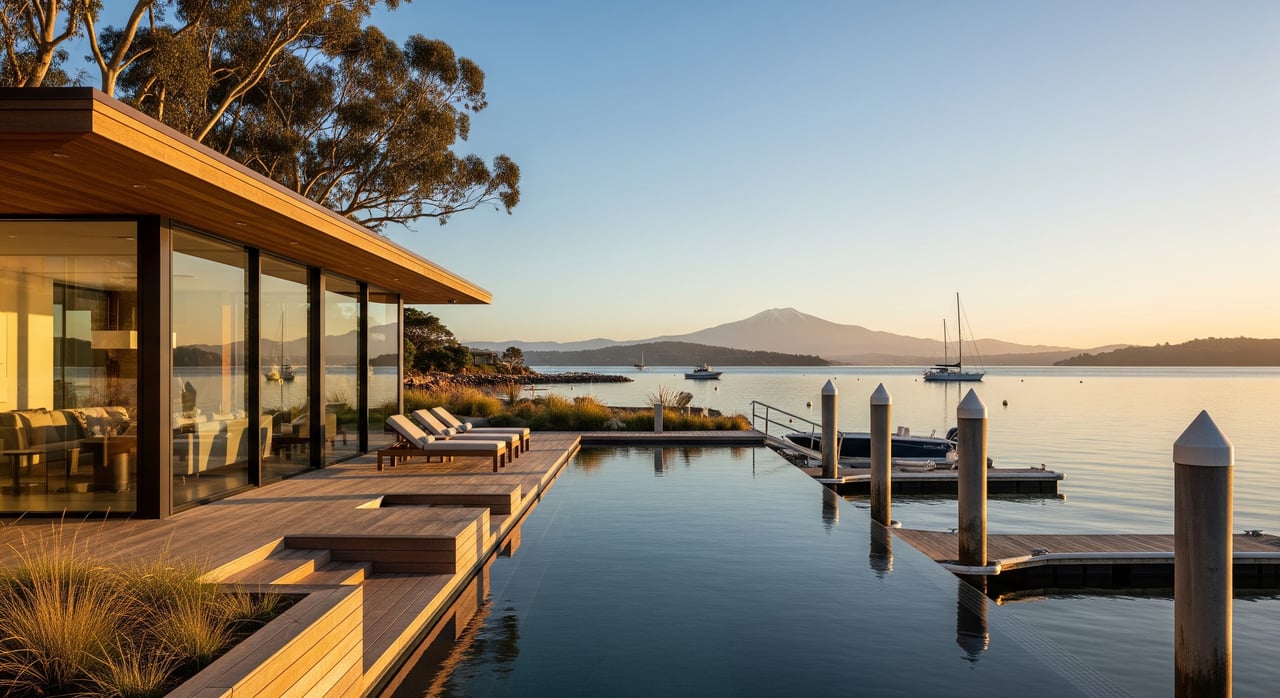
Sipping coffee while the tide rolls in sounds dreamy, but what does waterfront living in Marin County actually look like day to day? If you are picturing sailboats at sunset and easy ferry rides, you are not wrong. You should also expect higher purchase prices, unique maintenance needs, and a few extra steps to protect your investment. In this guide, you will learn how waterfront communities differ across Marin, how locals get around, what daily life feels like, and the real costs and tradeoffs to consider. Let’s dive in.
What “waterfront” means in Marin
Marin’s shoreline is not one thing. On the east side, you will find protected bays and channels that feel calm and residential. Along the Golden Gate corridor, the views are striking and the vibe is more maritime. Out in West Marin, the coastline is rural and open to the Pacific. Each area brings different exposures, commute options, and property types.
Key takeaway: Your experience will vary by town and shoreline. Spend time in each area at different times of day and different tides to find your fit.
Neighborhood snapshots
Belvedere and Tiburon
These peninsulas overlook Richardson Bay, Belvedere Cove, and the Golden Gate. You will find large estates in Belvedere and a mix of mid-century modern and substantial single-family homes in Tiburon, many perched on slopes with panoramic views. Some homes include private docks, and marinas and yacht clubs are nearby. Downtowns are low-key, with ferry access and quick routes to Angel Island.
Sausalito
Sausalito blends upscale homes with a longstanding artist and maritime community. Waterfront Victorian cottages, hillside mid-century homes, and distinctive floating home neighborhoods are part of the mix. Several marinas and mooring fields support active boating, and ferry service keeps San Francisco close. Expect more seasonal visitors near the waterfront, especially in summer.
Larkspur, Corte Madera, and Greenbrae
Along Corte Madera Creek and nearby channels, you will find suburban neighborhoods that hug marshlands and parks. Housing ranges from modern single-family homes to townhomes and condos with water or marsh views. The Larkspur Ferry Terminal is a major commuter hub, and local marinas and put-ins make it easy to launch a kayak or paddleboard. Shoreline paths and protected wetlands shape local recreation.
San Rafael and Canal-area waterfront
In San Rafael, some older industrial waterfront areas have been re-purposed into residential and mixed-use zones. You will see canalside homes, converted spaces, and single-family properties with water access. Nearby, China Camp State Park offers trails and shoreline recreation. The setting is diverse, with pockets of quiet mixed with active local boating and fishing.
West Marin: Stinson, Bolinas, Inverness, Point Reyes Station
West Marin is a different coastal experience. It is rural, scenic, and open to the ocean, with small-town services and longer drives to job centers. Homes skew toward cottages, ranch conversions, and second homes, often smaller and more rustic than in the Tiburon-Belvedere area. You will enjoy ocean beaches, surf, and tidal estuaries, but there is limited marina infrastructure. Many projects fall under California Coastal Commission oversight, which affects remodeling and additions.
Everyday lifestyle and recreation
Boating and water sports
Sailing, powerboating, kayaking, stand-up paddleboarding, and sport fishing are common across the Bay. Public marinas in Sausalito, Tiburon, and Larkspur support an active boating culture, while private slips and moorings are limited and can have waitlists. If you own a boat, plan for slip or mooring fees, haul-outs, and routine maintenance. Environmental rules for bottom paints and pump-outs apply in local waters.
Trails, parks, and open space
You are never far from world-class hiking and biking. Mount Tamalpais, the Marin Headlands, China Camp State Park, and Point Reyes National Seashore offer daily adventures. Closer to home, shoreline promenades and small beaches make quick evening strolls easy. Wildlife viewing, birding, and quiet paddles through marsh corridors are regular parts of life.
Dining, culture, and seasonal flow
Waterfront dining clusters in Sausalito and Tiburon, while many East Marin neighborhoods lean residential and calm. Visitor traffic rises in summer around downtown waterfronts and beaches. If you value quiet, check your preferred blocks on weekends and holidays to see how they feel.
Schools and services
Public schools vary by neighborhood. Many families research district boundaries and programs during their home search. West Marin has smaller districts and fewer nearby services, which can change your day-to-day logistics. Confirm grocery, marina, and vendor access by town before you buy.
Noise and privacy
You may enjoy visual privacy and wide water views, yet still experience occasional activity from boat traffic, waterfront restaurants, or public access paths. Touring at different times helps you understand noise patterns and privacy.
Getting around: ferries, bridges, and bikes
Ferries connect Larkspur, Tiburon, and Sausalito to San Francisco. Many commuters prefer ferry rides for a predictable schedule and a lighter start and end to the day. Driving uses US-101 and the Golden Gate Bridge for San Francisco and the Richmond–San Rafael Bridge for the East Bay. Peak traffic can be heavy, and parking near ferry terminals and downtown waterfronts can be limited.
Golden Gate Transit buses and the SMART train expand options, especially with the Larkspur Ferry/SMART connection. Biking is popular for local trips, though hills and coastal wind can shape routes and travel times.
What it really costs: prices, taxes, and insurance
Purchase prices and dynamics
Waterfront properties in Marin are a premium segment of an already expensive market. Prices vary by town, lot size, view, water access, and exposure to flood or seismic risk. For current figures, review recent market reports and active listings for each neighborhood you are considering.
Property taxes
Base property taxes in California follow Proposition 13, roughly 1 percent of assessed value, plus local assessments. Effective rates often land around 1.0 to 1.3 percent, but exact amounts vary by parcel due to bonds and special taxes. Verify parcel-specific details with the county assessor before you write an offer.
Homeowners, flood, and earthquake insurance
Standard homeowners policies exclude flood. If the home sits in a FEMA flood zone or a low-lying area, separate flood insurance may be required or strongly recommended. Earthquake insurance is a separate policy that many Bay Area owners carry, often with higher deductibles and premiums. Get quotes early so you understand annual costs and coverage limits before you commit.
Maintenance and long-term ownership
Waterfront homes face unique wear and tear. Salt air can shorten the life of roofing and metal, and bay-mud foundations may require specialized engineering and monitoring. If a property has a seawall, bulkhead, dock, or pilings, plan for periodic inspection, repair, and eventual replacement. In marsh-adjacent areas, habitat protections can limit work windows and methods, which can increase cost and time.
Resale can be strong for well-located waterfront homes, but specialized properties, such as floating homes or very high-end estates, can have longer market times. Insurance changes and climate risk may affect future buyer demand, so factor resiliency and adaptability into your plans.
Environmental realities and permitting
Sea-level rise and tidal flooding
Bay shoreline areas are already seeing more frequent high-tide flooding in some locations. State and federal agencies project measurable sea-level rise this century, which increases long-term exposure to nuisance and storm flooding. Review local hazard maps and planning resources to understand near-term and future scenarios for your block.
Wetlands and habitat
Marshes and eelgrass beds are sensitive, and work that affects them usually requires review and mitigation. In West Marin, the California Coastal Commission has a major role in permits and project conditions. Early conversations with local planning staff can save you time later.
Geotechnical and shoreline structures
Shoreline lots often sit on bay mud or alluvial soils. A geotechnical investigation can help you understand settlement, liquefaction, foundation type, and seawall stability. Some older shoreline protection is near the end of its useful life. Budget for professional inspections and possible upgrades if you plan to remodel.
Agencies you may encounter
- Marin County Planning and Building for local permits
- Bay Conservation and Development Commission for Bay shoreline work
- California Coastal Commission for West Marin projects
- Regional Water Quality Control Board for water quality permits
- U.S. Army Corps of Engineers in some navigable waters cases
- Local harbormasters for mooring and marina issues
Smart buyer checklist
Before you tour homes
- Review FEMA flood maps and local sea-level-rise guidance for your target neighborhoods.
- Check local zoning and any shoreline or hazard overlays with Marin County Planning.
- Drive and walk the block at high tide, low tide, weekends, and weekdays.
When you are near contract
- Obtain quotes for homeowners, flood, and earthquake insurance.
- Request records for seawalls, docks, piling maintenance, and any shoreline permits.
- Confirm utilities and systems, including sewer type, water source, and stormwater management.
- Review HOA rules if applicable, including dock use and shoreline policies.
Order the right inspections
- General home inspection by a qualified inspector
- Geotechnical evaluation for shoreline or low-lying lots
- Structural inspection of docks, pilings, bulkheads, and seawalls
- Hazard reports covering liquefaction, flood elevation, and any known industrial history nearby
Harbor and mooring specifics
- Verify dock ownership or permit status and any transfer rules
- Check slip or mooring waitlists, fees, and use restrictions with the local harbormaster
- Confirm parking, storage, and maintenance options for your boat
Plan your annual budget
- Set aside funds for dock, piling, and seawall maintenance
- Include higher routine upkeep for salt-air exposure
- Keep a reserve for future flood resilience or seismic upgrades
Is Marin waterfront living right for you?
If you love the idea of stepping onto a dock at sunrise, or watching pelicans skim the water from your deck, Marin’s shoreline can feel like a dream. You should also be comfortable with the extra diligence that waterfront ownership requires. That means studying flood and seismic exposure, planning for maintenance, and understanding insurance and permitting early. If you do the homework and choose the right location for your lifestyle and commute, waterfront living here can be both inspiring and practical.
Ready to explore the possibilities or build a step-by-step plan for your purchase or sale? Reach out to Aviva Kamler for calm, data-informed guidance and white-glove representation.
FAQs
What makes Marin’s waterfront different from other Bay Area shores?
- Marin offers a mix of protected bays, channels, and open Pacific coastline. Each area has different exposures, property types, and commute options, which creates very different day-to-day experiences by town.
How do I commute from Marin waterfront towns to San Francisco?
- Many residents use ferries from Larkspur, Tiburon, or Sausalito. Driving via US-101 and the Golden Gate Bridge is common, and buses and the SMART train expand options, though parking near ferry terminals can be limited.
Are flood and earthquake policies required for Marin waterfront homes?
- Standard homeowners policies exclude flood, so separate flood insurance may be needed for low-lying or FEMA-designated areas. Earthquake insurance is optional but common. Get quotes early to understand costs and coverage.
What maintenance should I expect on a waterfront property in Marin?
- Plan for salt-air impacts on roofs and metals, and for periodic inspection and repair of docks, pilings, bulkheads, or seawalls. Shoreline or marsh proximity can add permitting steps and timing constraints for work.
How do school options work near Marin’s shoreline neighborhoods?
- School districts vary by town and neighborhood. Many families review district websites for boundaries and programs as part of their search. Verify details directly with the district before you buy.
What permits are needed for docks or seawalls in Marin?
- Shoreline projects often require approvals from local planning, the Bay Conservation and Development Commission, and, in West Marin, the California Coastal Commission. Some projects also involve the Regional Water Board and the Army Corps of Engineers.