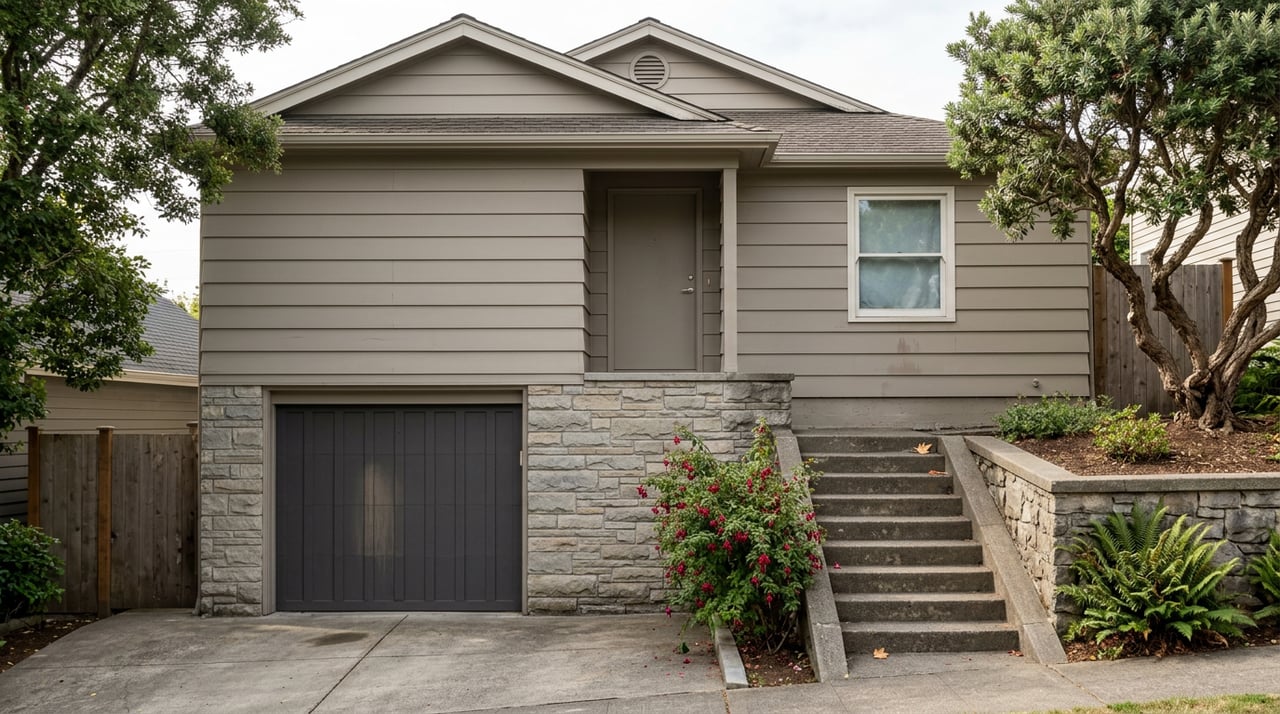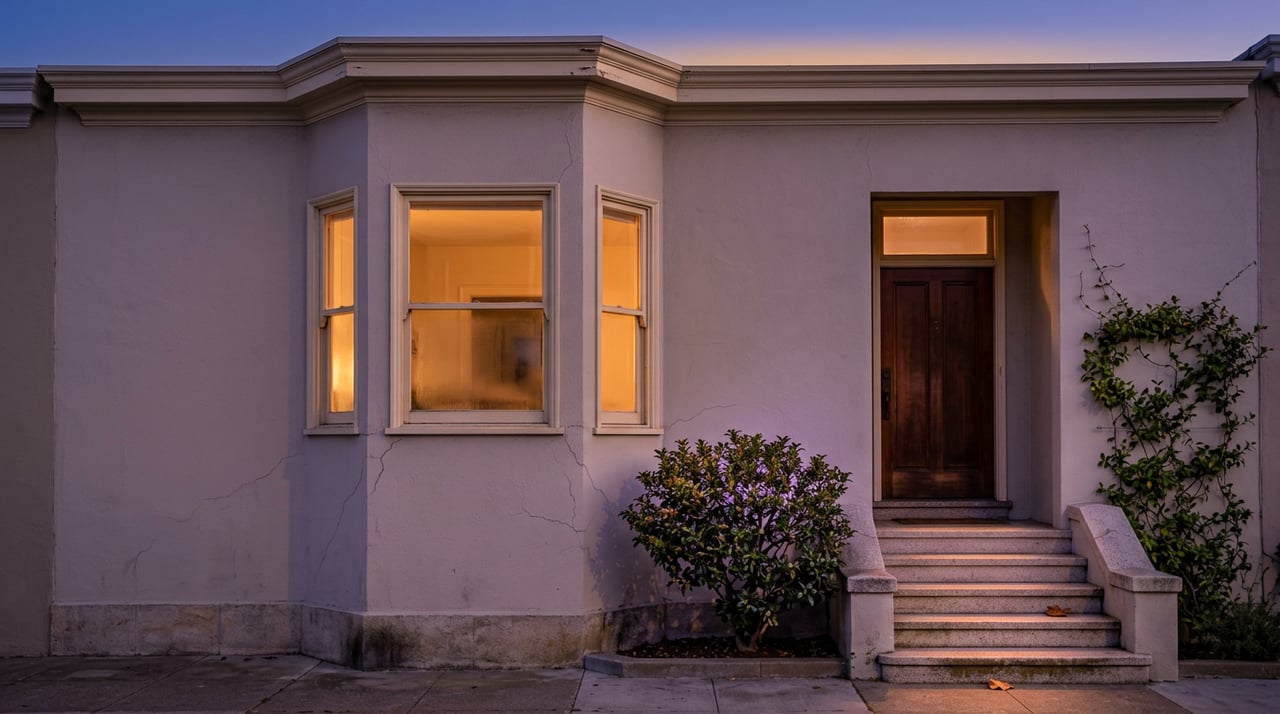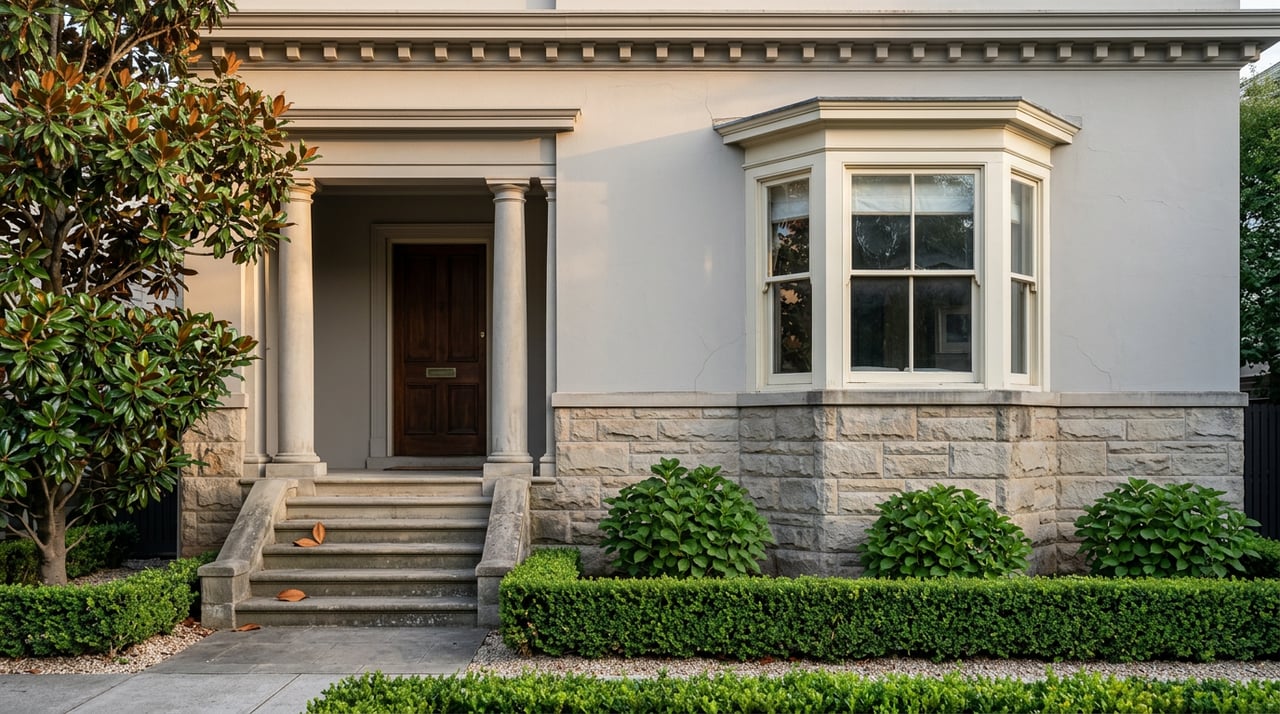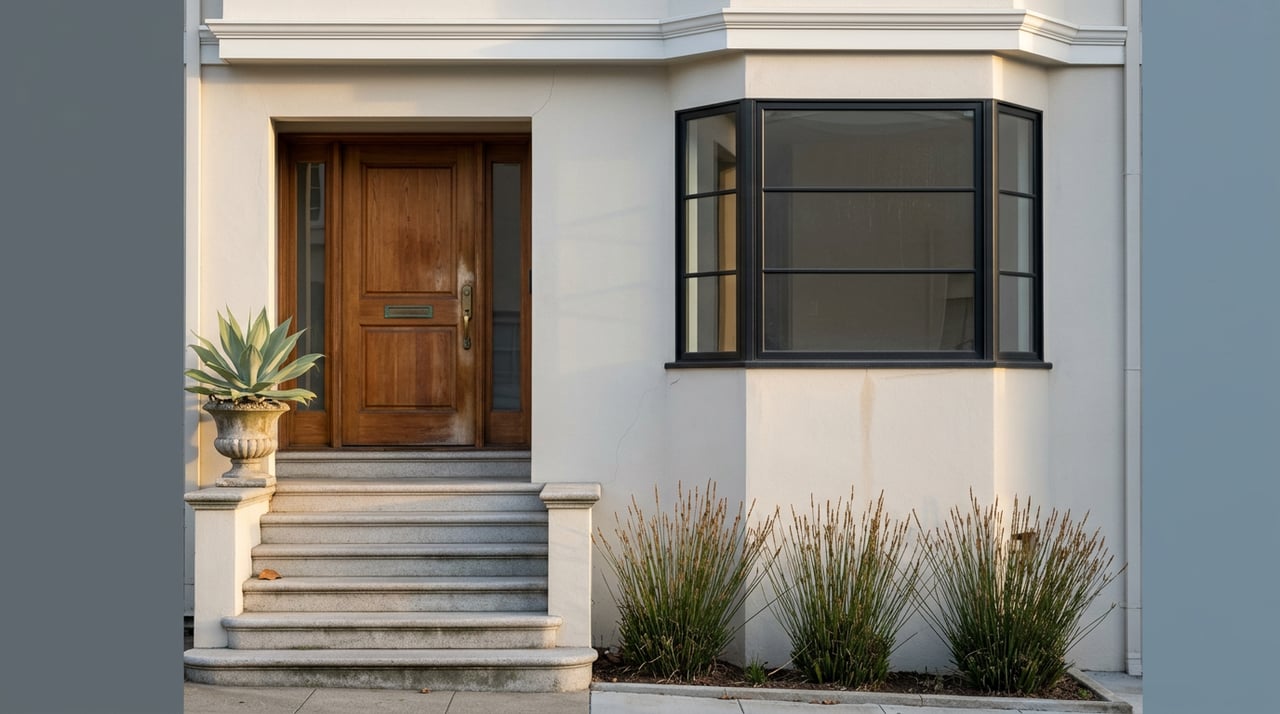
A home in San Francisco that sells for $9,999,999 generates a transfer tax bill of roughly $225,000. The identical home, sold for one dollar more, generates a bill of $550,000. That $325,000 difference has nothing to do with the property. It comes from a line drawn in the city's tax code at exactly $10 million.
Most sellers and their agents already know San Francisco has a tax problem at $5 million. Fewer have priced out what happens at $10 million, where the jump is more than four times as large in dollar terms. For anyone selling a home in the upper tiers of the San Francisco market this year, understanding both lines, and the political fight now underway that could move one of them before your escrow closes, is worth more than a glance at the closing statement.
How San Francisco Taxes a Sale
San Francisco's documentary transfer tax does not work the way income tax brackets work. There is no blending across tiers. Whatever bracket the sale price lands in, that rate applies to the entire price, not just the portion above the threshold. The city's own rate schedule lays it out plainly:
| Sale Price | Tax Rate |
|---|---|
| $250,000 to $999,999 | 0.68% |
| $1,000,000 to $4,999,999 | 0.75% |
| $5,000,000 to $9,999,999 | 2.25% |
| $10,000,000 to $24,999,999 | 5.5% |
| $25,000,000 and above | 6% |
Cross from $4,999,999 to $5,000,000 and the rate roughly triples. Cross from $9,999,999 to $10,000,000 and it jumps again, from 2.25 percent to 5.5 percent, the rate created when voters passed Proposition I in November 2020.
The Line Everyone Already Prices Around
On a home worth somewhere around $5.2 million, the difference between listing at $4,999,999 and pricing at true market value shows up directly in net proceeds. At $4,999,999, transfer tax runs about $37,500. At $5,000,000, it jumps to $112,500. That's roughly $75,000 in additional tax for one extra dollar of sale price, and it's the quiet reason a specific pricing pattern shows up across San Francisco's upper-middle luxury tier: sellers with homes worth somewhere between $5 million and $5.6 million routinely list just under the line rather than at what the property might otherwise command.
The San Francisco Standard's reporting on the city's pricing culture backs this up with market behavior, not just theory. Its analysis of underpricing strategies found that the pattern "typically tops out at a list price of $5 million, where the percentage of sales over asking drops precipitously." That's not a coincidence. It's sellers, agents, and buyers all responding to the same tax cliff from different directions.
That clustering has a second effect worth naming. When enough sales in a given price band land at $4,995,000 or $4,999,000 rather than at the $5.1 million or $5.2 million the properties might genuinely be worth, those below-threshold sales become the comparables an appraiser reaches for next. A seller whose home is honestly worth $5.15 million can end up fighting an appraisal anchored to a cluster of homes that were never priced at their real value in the first place.
The Bigger Line at $10 Million
The $5 million conversation gets repeated constantly because it's the one buyers in San Francisco's $1 million to $6 million range are most likely to run into. But in dollar terms, the $10 million cliff is worse. The rate does not tick up modestly there, it more than doubles, from 2.25 percent to 5.5 percent. On a $10 million sale, that means roughly $325,000 more in transfer tax than an otherwise identical sale at $9,999,999. Sellers in this tier who assume the $5 million line is the only one that matters in San Francisco's luxury market are pricing around the wrong number.
The Politics That Could Move the Line This Year
These thresholds are not settled history. They are part of a live argument at City Hall right now.
Proposition I has generated more than $324 million for the city between 2021 and 2024, according to the Housing Stability Fund Oversight Board, the body created to track the revenue. The city's own FY 2026-27 revenue projections, covering the fiscal year that began this July, budget total transfer tax revenue at $358.8 million, with the Prop I increase specifically estimated to contribute $114.1 million of that total.
That revenue is now caught in a policy fight. In February 2026, Mayor Daniel Lurie and District 5 Supervisor Bilal Mahmood introduced the BUILD Act, a package that would cut the $10 million-plus transfer tax rate roughly in half, back toward where it stood before Prop I passed, arguing the current rate is stalling construction and property transactions the city needs. According to the San Francisco Examiner's reporting, the city's Controller estimated the cut would cost roughly $390 million in general fund revenue over four years. By June 2026, the legislation had stalled without receiving a hearing at the Board of Supervisors.
A companion piece of the plan does not need Board approval to change, and it cuts the other direction. A measure headed to the November 2026 ballot would close an exemption for deeds transferred in lieu of foreclosure, which Assessor-Recorder Joaquín Torres has said is being claimed in a "dramatic increase in the number of high-value commercial transfers claiming the exemption." Because closing an exemption functions as a tax increase, it requires a citywide vote regardless of what happens with the rate cuts themselves, a distinction that traces back to a 2024 charter change, Proposition C, which lets the Board of Supervisors cut or repeal transfer tax rates through ordinance but still requires voters to approve any increase.
A separate grassroots campaign has also been collecting signatures this year for its own November 2026 measure aimed at locking in Prop I's revenue for affordable housing programs, adding a second live question to a ballot that could reshape how these thresholds function well before your next assessment notice arrives.
What This Means If Your Home Sits Near Either Line
If your property is realistically worth somewhere between $4.6 million and $5.6 million, or between $9 million and $11 million, the list price conversation with your agent needs to happen with the tier table open, not as an afterthought once an offer is already in hand. The right call depends on how confident you are that your home will draw offers close to a psychological line just below the threshold, and it may depend on what happens at the ballot box this November.
It also changes the calculus if you're weighing a San Francisco property against one across the bridge. San Francisco can impose a rate schedule this steep because it's a chartered city and county with its own tax code, Article 12-C of the Business and Tax Regulations Code. Marin County, like most California counties, defaults to the state's standard documentary transfer tax of $1.10 per $1,000, a flat rate with no tiers at all. A $5.5 million sale in San Francisco lands in the 2.25 percent tier, a bill of about $123,750. The identical price in Marin, taxed at the flat county rate, runs about $6,050. That gap has nothing to do with what the home is worth. It has everything to do with which side of the Golden Gate the deed gets recorded on, and it belongs in any comparison between similarly priced properties in the two markets.
A Few Direct Questions
Does the buyer or the seller pay this tax? By custom in San Francisco, the seller pays, and it's collected when the deed is recorded at closing. The obligation can be negotiated in a purchase agreement, though shifting it to the buyer is uncommon outside competitive new construction deals.
Could the rates change before I sell? Possibly, but not quickly and not in one direction. The Board of Supervisors can cut rates by ordinance under the 2024 charter change, which is what the BUILD Act attempted and what stalled without a hearing this year. Raising rates, or closing an existing exemption, still requires a citywide vote, which is why the deed-in-lieu measure is headed to the November 2026 ballot instead.
Does any of this affect homes priced under $5 million? Not directly. The tiers below $5 million, at 0.68 percent and 0.75 percent, have not been part of the current political fight, which centers on the $10 million and $25 million tiers Proposition I created in 2020.
Pricing a home near either of these lines is not a spreadsheet exercise to run alone the night before a listing goes live. Aviva Kamler works through the tax math, the comparable sales, and the timing questions with San Francisco sellers before a number ever goes on the sign. Request a Personalized Home Valuation to see exactly where your property sits relative to the thresholds that matter.