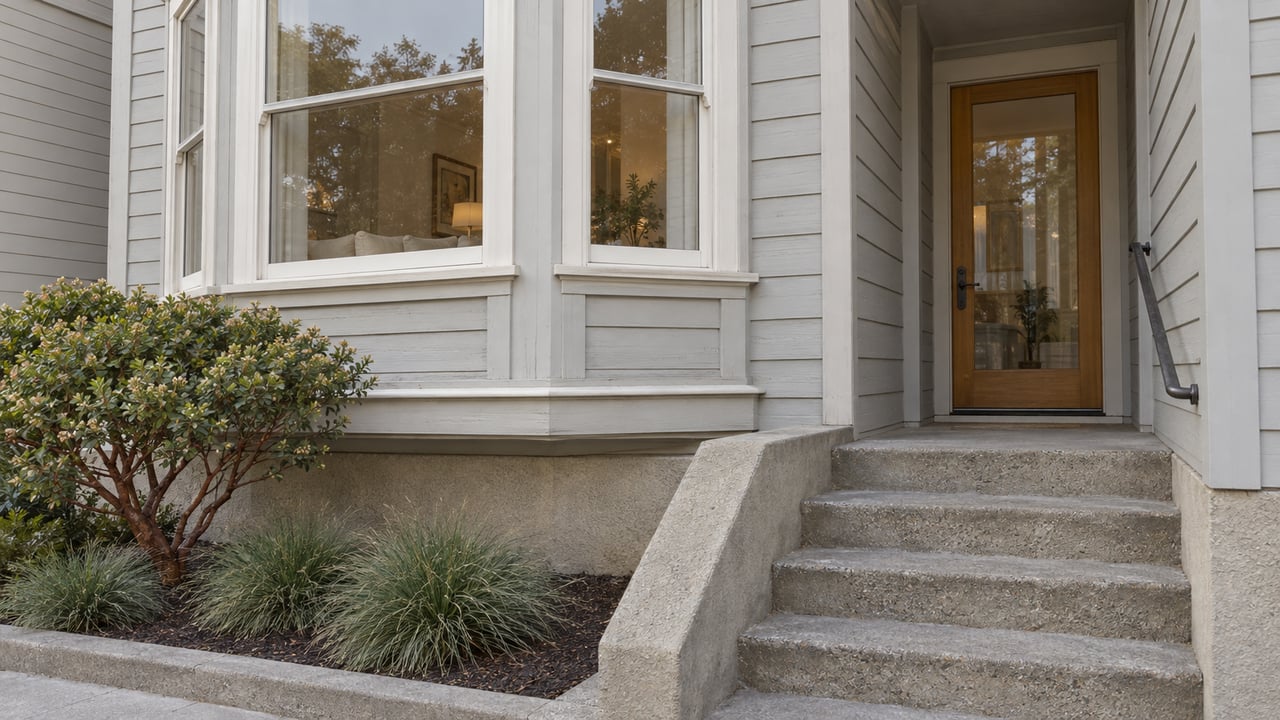
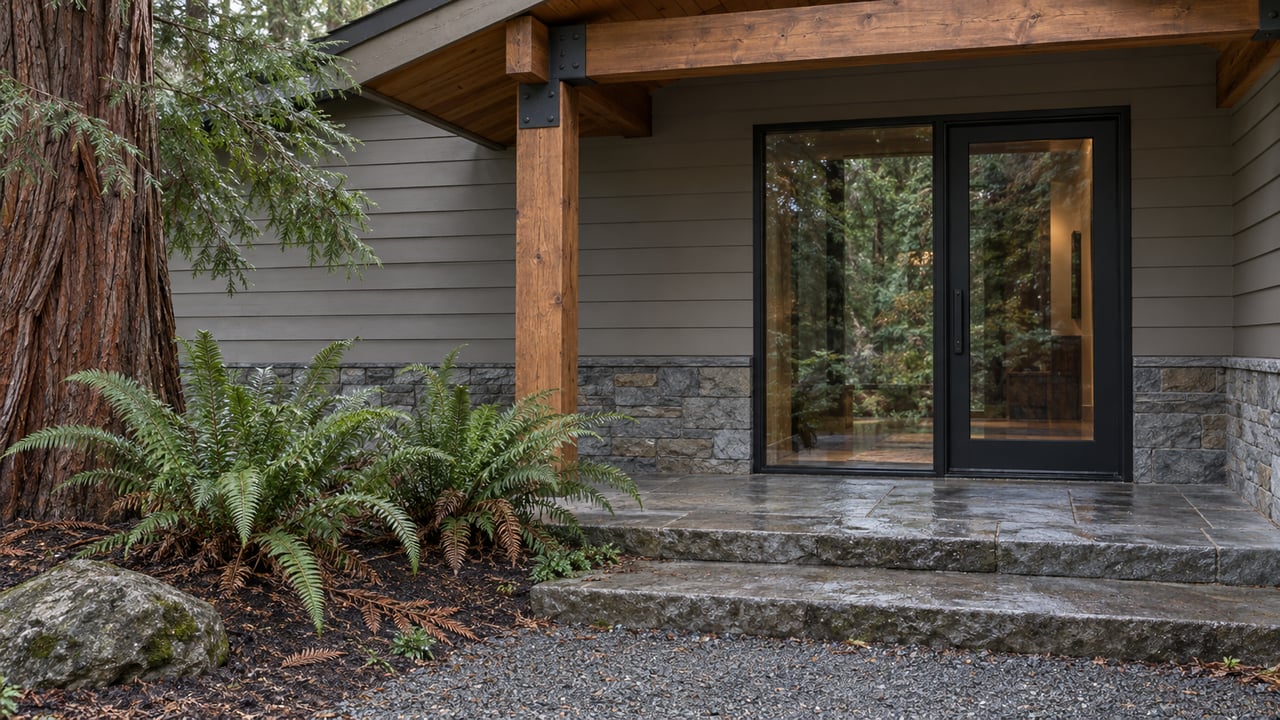
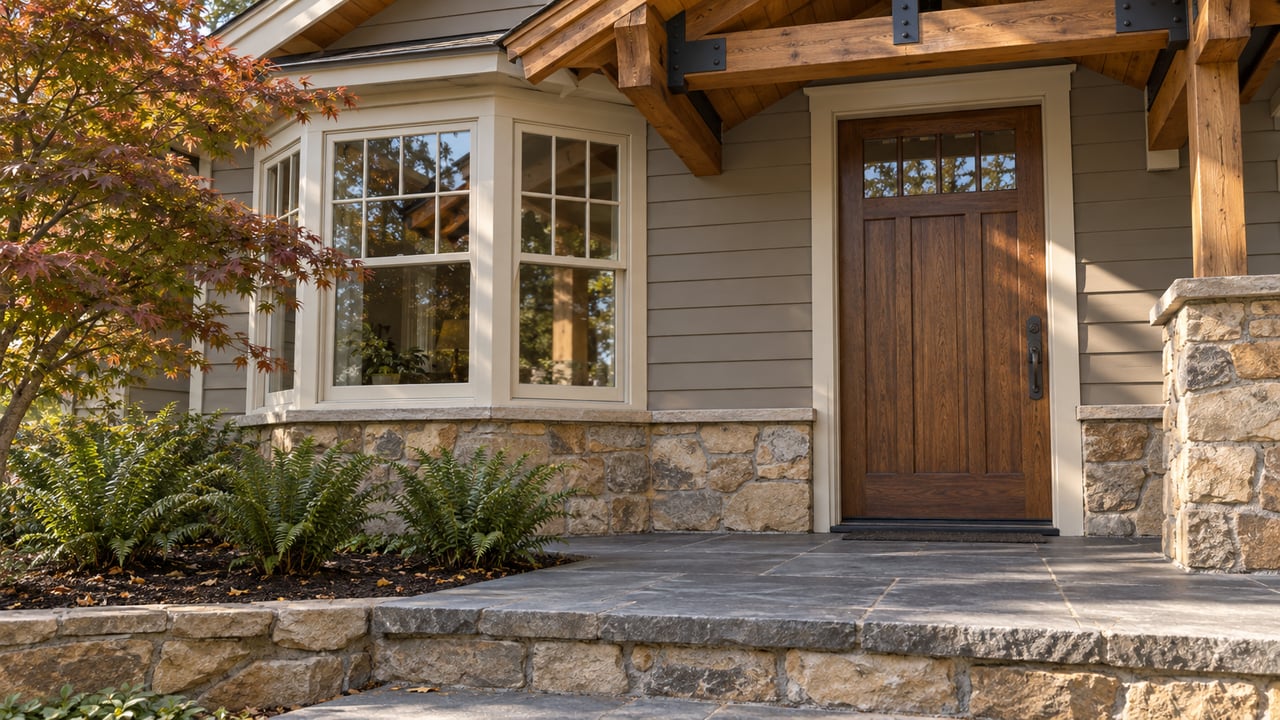
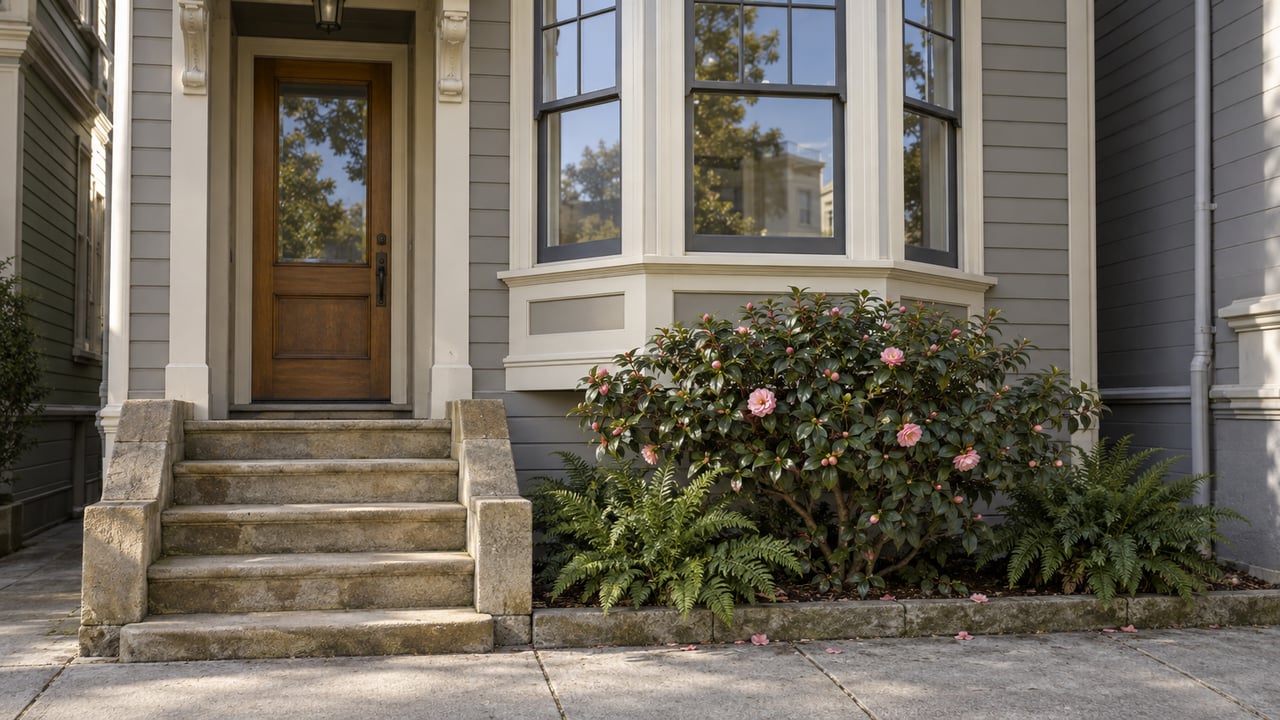
Two listings, same block in Noe Valley, six weeks apart. A two-bedroom condo lists at $1.2 million. A comparable two-bedroom TIC unit in a nearly identical building lists at $1 million. Same square footage, same light, same walk to 24th Street. A buyer who has read a few guides assumes they know what happens next: the TIC's 15 to 20 percent discount gets eaten alive by a worse interest rate, and the two properties end up costing roughly the same once you run the numbers.
That assumption was true a few years ago. It is not true now, and the gap between what buyers expect and what the current lending market actually charges is the most consequential thing to understand before writing an offer on either property type in 2026.
The Math That Used to Cancel Out
For most of the last decade, San Francisco real estate professionals used a rough rule of thumb to explain why TICs and condos landed at roughly the same real cost despite the sticker price difference. A TIC discount of around 20 percent paired with a fractional loan rate roughly 2 percentage points above a conventional condo mortgage. The heuristic circulating among local agents was blunt: every one point of rate difference is worth about 10 percent on the purchase price. Multiply it out and the TIC's lower price and the TIC loan's higher rate landed close to a wash over the life of the mortgage.
That math depended on two things holding steady: a double-digit price discount, and a rate penalty near the top of its historical range. In 2026, only one of those two things is still true.
What Actually Changed in the Lending Market
Fractional TIC financing has quietly modernized. A handful of institutions, including Sterling Bank & Trust and Comerica Bank, along with programs formerly run through First Republic before its acquisition by JPMorgan, have been the primary sources of fractional TIC loans in San Francisco for years.
Some lenders have also started offering 30-year fixed-rate TIC products, a real shift from years when adjustable-rate mortgages were the only option available to TIC buyers.
The rate premium itself has compressed alongside those structural changes. Lending data from mid-2026 puts the typical fractional TIC rate premium between a quarter point and three-quarters of a point above a comparable conventional mortgage, down from a gap that ran as high as 2 full points several years earlier. One 2026 lender illustration shows what that shrinking gap actually costs: on a $750,000 loan, a 0.5 percent premium adds roughly $312 a month, or about $112,000 in additional interest across a full 30-year term. That is real money. It is also a fraction of what the same premium would have cost when the gap sat closer to 2 points.
Why the Discount Didn't Shrink at the Same Speed
Here is the part that breaks the old heuristic. The price discount on TICs, still commonly cited in the 10 to 20 percent range in 2026, has not compressed nearly as fast as the financing penalty. Discounts move slowly because they are anchored to comparable sales, appraiser habits, and buyer perception, all of which lag behind changes in loan pricing by months or years. A TIC unit gets appraised against other TIC units in the same submarket, not against condos, so even as fractional loans get cheaper and more standard, the comparable sales feeding into TIC appraisals still reflect the caution baked in from years of worse financing terms.
The result is a math problem that no longer balances the way it used to. A shrinking financing penalty paired with a discount that has not caught up means the total cost of ownership between a TIC and a comparable condo has separated in the TIC buyer's favor, at least for buyers who qualify for today's fractional loan terms and plan to hold long enough for the math to play out.
The Building Size That Decides Your Timeline
None of this changes the fact that a TIC is not a condo, and the path from one to the other depends entirely on how many units are in the building.
Two-unit buildings have the clearest route. Under San Francisco's lottery bypass provision, codified in Planning Code Section 1396.3, a two-unit TIC where both owners have occupied their units as primary residences for at least 12 consecutive months can convert administratively, without entering any lottery at all. The process runs through a property inspection, a licensed survey, and a sworn occupancy statement, and current guidance puts the processing time at roughly 6 to 12 months once the application is actually submitted. There is no annual cap on how many two-unit bypass conversions the city approves.
Buildings with three to six units have no such option. Those buildings depend on San Francisco's annual condominium conversion lottery, and Andy Sirkin says that lottery has been suspended since 2013. Its return has been projected for 2024, then 2025, then 2026, and as of this writing none of those projected returns has actually happened. A three-to-six-unit TIC owner today has no predictable timeline for condo conversion. For buyers, any eventual conversion should be treated as uncertain rather than assumed.
Eviction history also matters. Before assuming a TIC's discount will eventually close through conversion, confirm which path the building actually qualifies for, and check its eviction record.
Running Your Own Numbers Before You Write an Offer
The old shortcut, discount roughly cancels rate penalty, is no longer a safe assumption to carry into a TIC purchase in 2026. The way to actually compare two properties is to price out both loans specifically: get a fractional TIC loan quote and a conventional condo quote for the same purchase price and term, calculate the total interest difference over your expected holding period, and weigh that number against the actual dollar amount you would save on the smaller TIC purchase price and down payment. With the financing penalty now commonly running a quarter to three-quarters of a point rather than a full 2 points, that comparison is likely to favor the TIC more clearly than it would have three or four years ago, though the answer still depends on your specific rate, down payment, and how long you plan to stay.
San Francisco has a high-cost conforming loan limit for single-unit properties. That limit matters to condo buyers and refinancing owners. TIC buyers remain confined to the smaller pool of fractional lenders regardless of loan size, which is one more reason the building's conversion eligibility, not just its current price, belongs in the conversation before you sign a purchase agreement.
A Few Direct Questions
My TIC has four units. What's my realistic conversion timeline? There isn't one yet. Three-to-six-unit buildings depend on the citywide conversion lottery, which has been suspended since 2013 and has had its projected return pushed from 2024 to 2025 to 2026 without occurring as of this writing. Plan around the TIC as it exists today, not around an eventual conversion.
Can I get a 30-year fixed rate on a TIC loan in 2026? Some lenders now offer fixed-rate TIC products, a meaningful change from the period when adjustable-rate mortgages were the only structure available. Terms and eligibility vary significantly by lender, so getting a specific quote before you shop matters more than assuming a rate based on older TIC lending norms.
If you are weighing a TIC against a condo in San Francisco and want the actual numbers run for a specific building, not a rule of thumb from a few years ago, Aviva Kamler can walk through the financing math, the building's conversion eligibility, and what it actually means for your offer. Request a Personalized Home Valuation to start with real numbers instead of an outdated heuristic.
This article is general information, not legal, tax or financial advice. Consult a qualified professional about your situation.