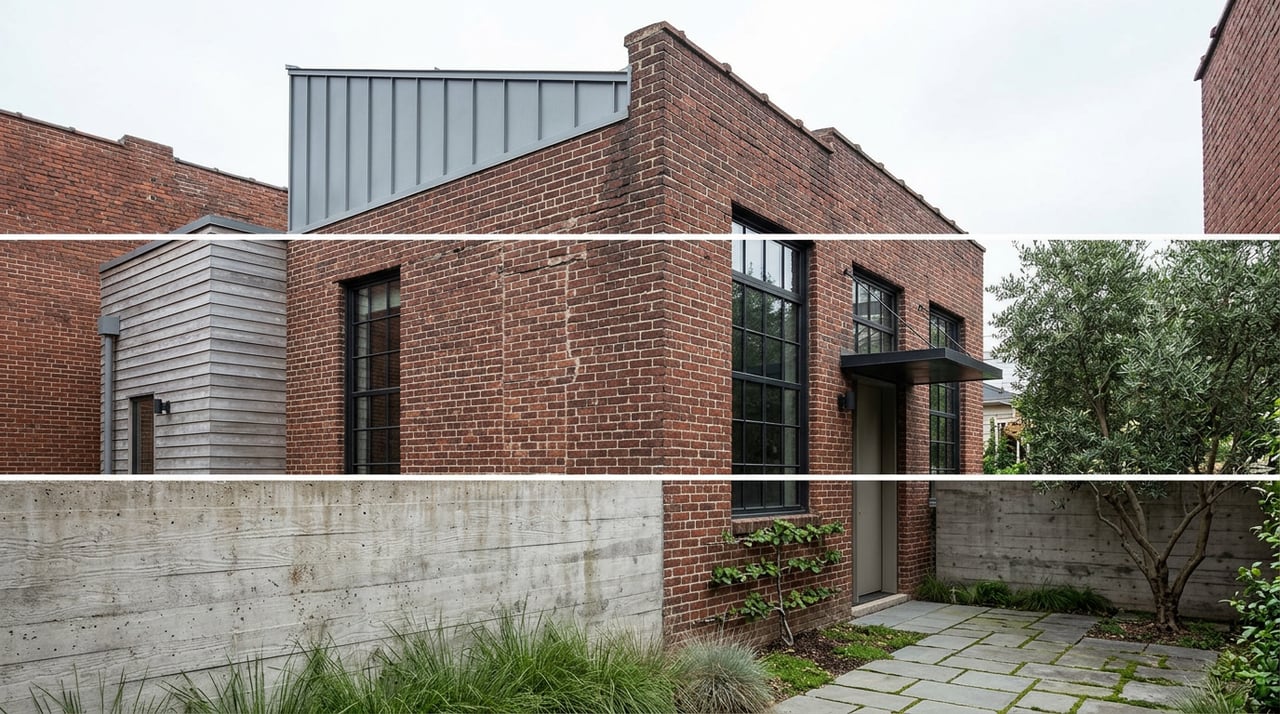
The corner of Divisadero and Page went dark in March 2025. For fifteen years it had been Ragazza, the wood-fired pizzeria that arguably set the tone for what the corridor was going to be. Then the paper went up on the glass, the pizza oven left the building, and the room stayed quiet through the fall and into the winter.
This spring the paper came down. Burgundy leather banquettes went in. The sign over the door reads Esme now, and if you walk past on a Tuesday evening, you can hear the room from the sidewalk.
The corner that defined a stretch of Divisadero
Ragazza's closure was not a small event on this block. The pizzeria had been there since before the coffee shop across the street, before Hahdough opened its NoPa location, before Beretta moved a second outpost onto Divisadero. It was the reference point.
When the room went dark, the corridor lost its anchor for more than a year. That is a long vacancy for one of the most walked blocks in the neighborhood, and the question hanging over it was not whether something would open in the space, but what the something would say about where Divisadero is heading.
Susan Dunn's first solo restaurant
Esme is chef Susan Dunn's first solo restaurant. She co-owns Pearl 6101 out in the Richmond and has cooked at Pizzetta 211 and Paladar 511, but until now she has always shared the marquee. The name means "beloved," which is worth mentioning only because the choice of word tracks with what Dunn built inside.
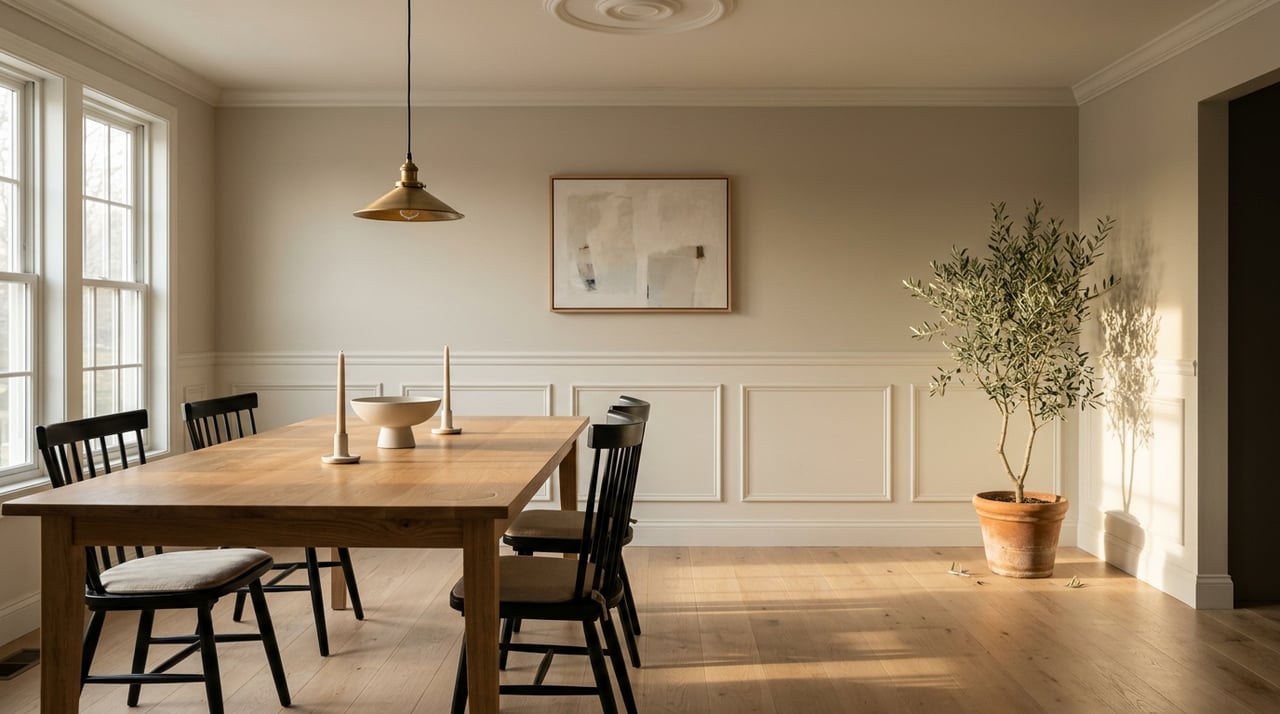
The room is compact. It seats about 30 inside the Metro Hotel, with globe pendant lights, a salon wall of Bay Area artists, and a redwood-bench back patio. The patio was Ragazza's most-loved feature, and Dunn kept it. What changed is everything on the plate.
Here is what you're actually looking at when you sit down:
- Format: French neighborhood bistro, not Cal-Italian. Steak frites, rillettes, a roast chicken, and a strawberry mascarpone tart she is reviving from the Pearl days.
- Price bands: Starters land in the $12 to $19 range, while entrees come in around $22 to $32.
- Hours: Dinner 5 to 9 p.m. Tuesday through Sunday, closed Monday. Reservations live on Resy; the bar and a five-seat counter are held for walk-ins each night.
- The team behind the pass: Nate Arnegard, whose résumé includes time at Flour + Water and Penny Roma, serves as chef de cuisine. GM and sommelier Andre Sydnor built the wine list, with a Champagne section that has been getting singled out in early reviews.
The compact footprint matters. Thirty seats plus a small patio and a five-seat walk-in counter means the room fills fast on a Friday, and it means the kitchen can hold a standard. A bistro that seats 90 has a different problem to solve than a bistro that seats 30.
The tell: two critics reached for the same plate
The clearest signal that Esme is landing where Dunn wanted it to land came in the last three weeks. Two of the most-read local critics reviewed the restaurant independently, and they converged on the same dish.
On June 29, Julia Chen at The Infatuation called Esme "a French restaurant that already feels like a neighborhood staple," pointing to seared halloumi topped off with silky grilled peaches, cappelletti with two types of peas, and what's quite possibly the juiciest roast chicken with a 415 area code.
Twelve days later, on July 11, Marcia Gagliardi at Tablehopper published her own first look after dinner there. She zeroed in on the same halloumi, this time with golden apricots, a shallot gastrique, pickled Fresno chile, and piment d'Espelette, and praised GM and sommelier Andre Sydnor's wine list, whose Champagne section "alone made me swoon."
Two seasoned critics reaching for the same dish, weeks apart, with the fruit swapped out because the season moved on, is the kind of consensus that earns a bistro its regulars. The peach-to-apricot handoff between reviews is itself the answer to a question locals actually care about: is this a menu that changes with what's at the market this week, or a printed card that quietly ossifies. The answer is the former.
The Divisadero corridor has turned over more than once, and Esme is the first room there in years built to be visited often rather than chased once.
That is the shift. The corridor spent the mid-2020s cycling through openings that traded on scarcity, hard reservations, and a six-month buzz window. A neighborhood bistro with a walk-in counter and a menu that follows the produce is a different bet entirely.
Where Esme sits on the corridor now
To understand what Esme's arrival means for the block, it helps to look at what's already around it. The Divisadero corridor, sometimes called NoPa, has three kinds of restaurant on it right now.
The originals that anchor the corridor. Nopa, at 560 Divisadero, is still the reference point at the north end. Nopa has become an SF classic, and after all these years, it's still tough to get a reservation. But the regularly changing menu of things like giant bowls of bolognese, flatbreads, pastas, and one of our favorite pork chops in the city is worth the effort. Or, if you're willing to take your chances, you can hover around the bar and wait for a few seats to open up. The bar-first strategy is one of the things NoPa taught the corridor, and it's the same move you can now make at Esme.
The second locations that chose Divisadero on purpose. Beretta's original location in the Mission has always been a go-to for Italian small plates and cocktails, and they now have a location on Divisadero. Grab a seat inside and start off with some burrata with mushroom-truffle honey for the table. Hahdough, the city's only German bakery, churning out treats as beautiful as they are delicious. There are a ton of options: traditional honey-topped bee sting cake, the layered prinzregententorte, an ultra-light Black Forest, and so on. A bakery from Hayes Valley opening a bigger NoPa location and a Mission-born Italian spot picking Divisadero for its expansion are votes of confidence in a corridor that has real weekday foot traffic, not just weekend destination diners.
The neighborhood mainstays that outlast the openings. Eddie's Cafe is doling out old-school diner nostalgia in NoPa. The corner spot is always packed with regulars who greet staff by name, solo breakfast-goers snagging a stool at the counter, and friends nursing hangovers with coffee in one of the eclectic, well-worn mugs. A hearty plate of eggs, crisp hash browns, and pork sausage or bacon will only run you around $12. Early To Rise is the brunch counterweight, a spot where you soak in tons of natural light and catch constant whiffs of bacon, coffee, and donuts. The daytime spot makes almost everything on their menu from scratch, from the challah for the butter-drenched french toast to the golden brown bagels.
Esme reads as a new entry in the middle category, but built with the intent of the third. That is the interesting move. Dunn is opening a solo debut with critic-bait potential, and she is opening it as if she plans to be there in 2035.
A short planning note for people who actually live here
If you're on the block and thinking about Esme this month, a few practical things:
- The peach halloumi both critics wrote about will not last much past mid-August. The dish is running on stone fruit season, and the plate will move to whatever's at the Divisadero farmers market in September.
- Reservations on Resy fill about two weeks out on Friday and Saturday. Tuesday and Wednesday are still walk-in territory at the bar if you show up close to 5 p.m.
- The back patio is small and books up first on warm evenings. If the fog is in, the interior room is where you want to be anyway.
- Monday is dark. Plan around it.
What the corner tells you about the corridor
Restaurant openings on Divisadero used to feel like weather. Something new every quarter, plenty of it good, most of it gone within three years. The pattern this summer is different. Esme took the most symbolic address on the corridor, kept the patio the neighborhood loved, and built a menu that changes with what's ripe. Beretta and Hahdough chose Divisadero as their expansion address. Nopa is still Nopa. Eddie's is still Eddie's.
The corridor is not turning over. It's settling in.
If you're thinking about what your block looks like a year from now, or a few years from now, and you want a read on how a specific San Francisco corridor is changing before it shows up in the numbers, Aviva Kamler is available for a conversation. Request a Personalized Home Valuation to start with your own address.